

Wired Loops For Vehicle Detection
Whether you prefer wired or wireless e-loops, both options are available and ready to help you get the most out of your vehicle detection systems. But you may wonder, "What loop system is the best for my purpose?" This depends on whether you do not mind installing a loop under concrete or prefer using an easier-to-install e-loop wireless system. You will also need to decide between commercial and residential loops. If you are unsure which loop is correct, view these comparisons below.
E-Loop Wired Systems
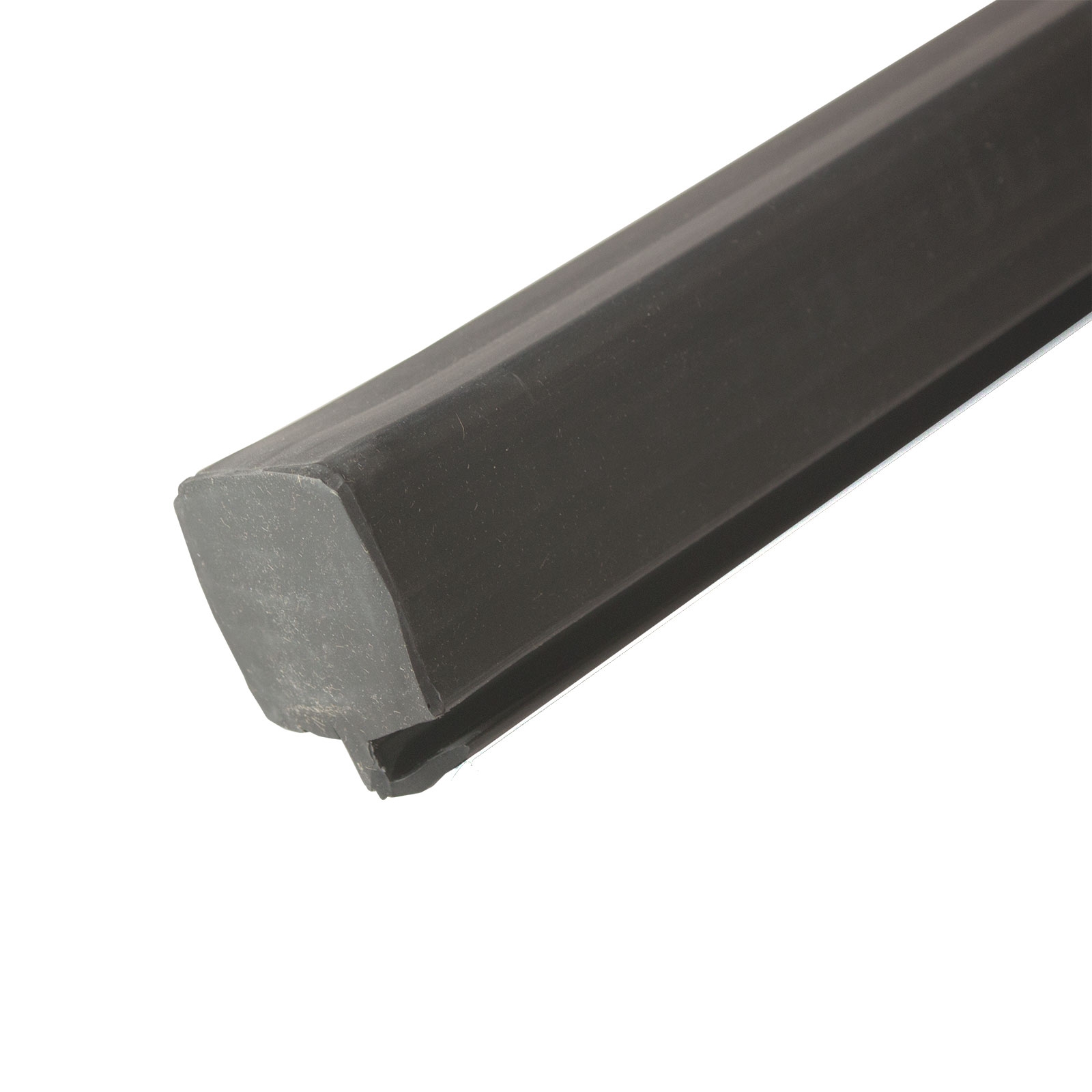
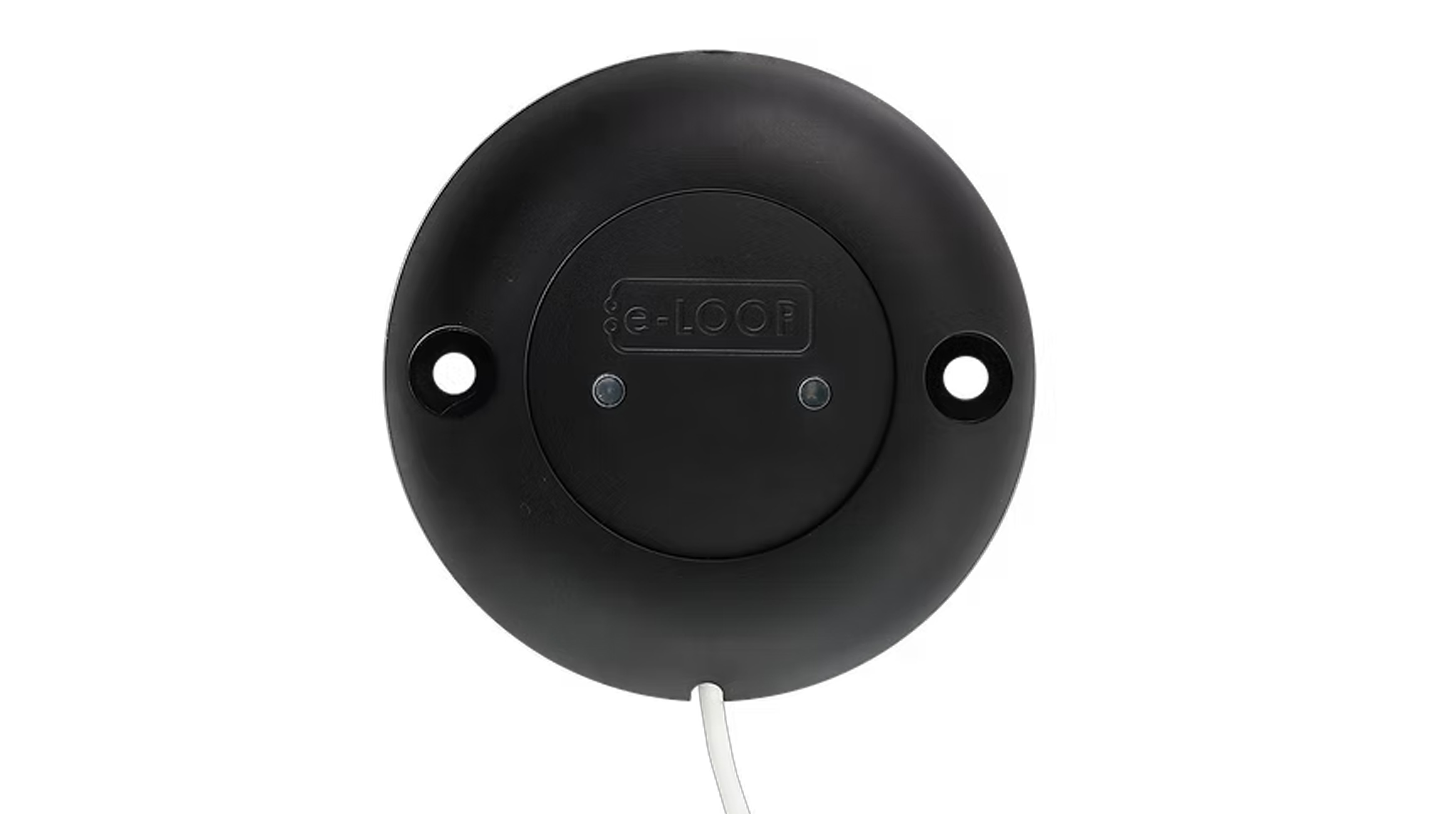
The Wired E-Loop provides a more convenient solution for vehicle detection compared to traditional wired loop systems. These wired detection loops are designed for high-traffic sites and allow quicker, simpler installation. Follow a single-line trace to cut or conceal the wire with a cable cover, enabling a fully surface-mounted installation without on-site modifications. These systems are fully potted for 100% water protection, and the fitting options are available in either surface mount or concealed mount.
Surface Mount E-Loop:
- Presence mode with dual magnetic and radar detection
Concealed Mount E-Loop:
- Exit mode with magnetic field protection
E-Loop Wireless Systems
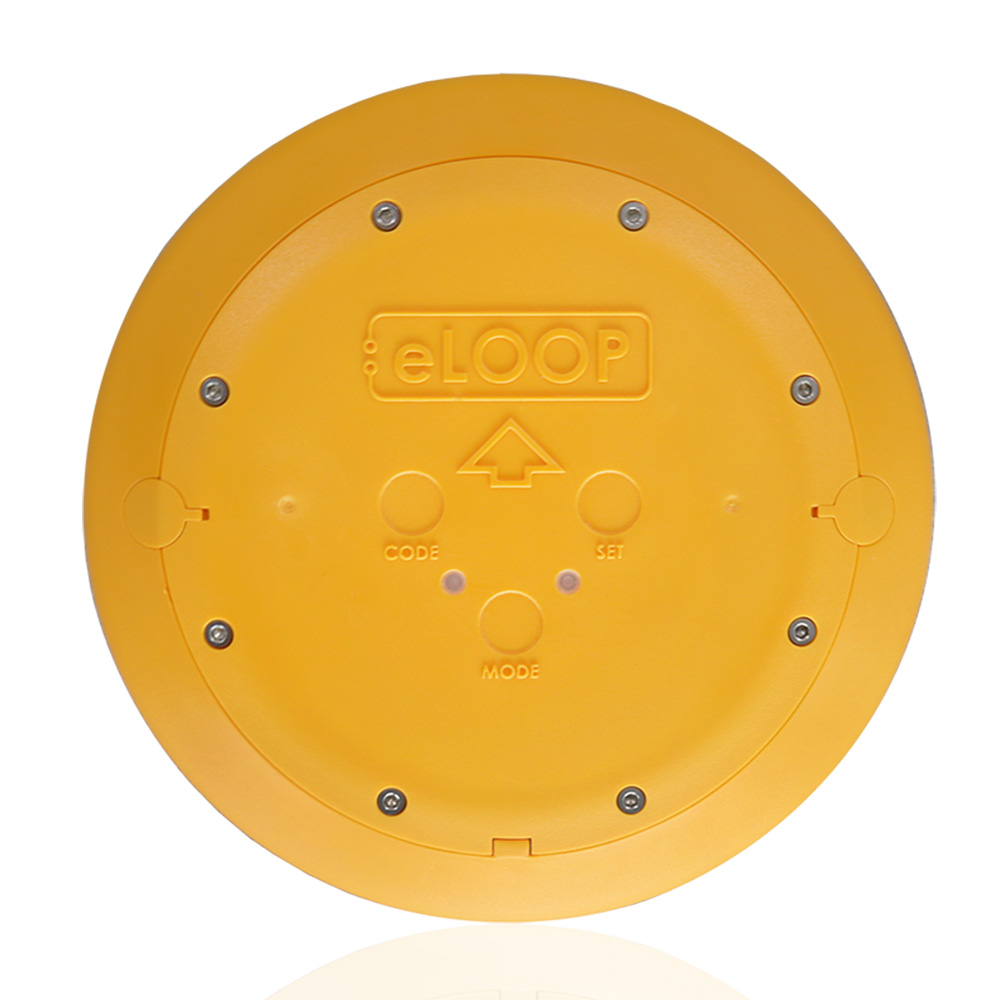
E-loops are created as a replacement for wired inductive loops. They help open a gate either when a vehicle enters or exits. Usually, the installation process takes less than 30 minutes. You can install these e-loops without costly installation methods associated with wired loop systems. In-ground and above-ground e-loops are available, so you can pick which suits your gate setup. The exclusive E-Loop Mini is created for residential use and is one of the smallest e-loops on the market. This E-loop has a 4-year battery life and is surface-mounted.
The Commercial E-Loop
- Dual Technology: Magnetic Field and Radar Detection
- Range of 50 Yards
- With 128-Bit Encryption
- 6 To 10 Year Battery Life
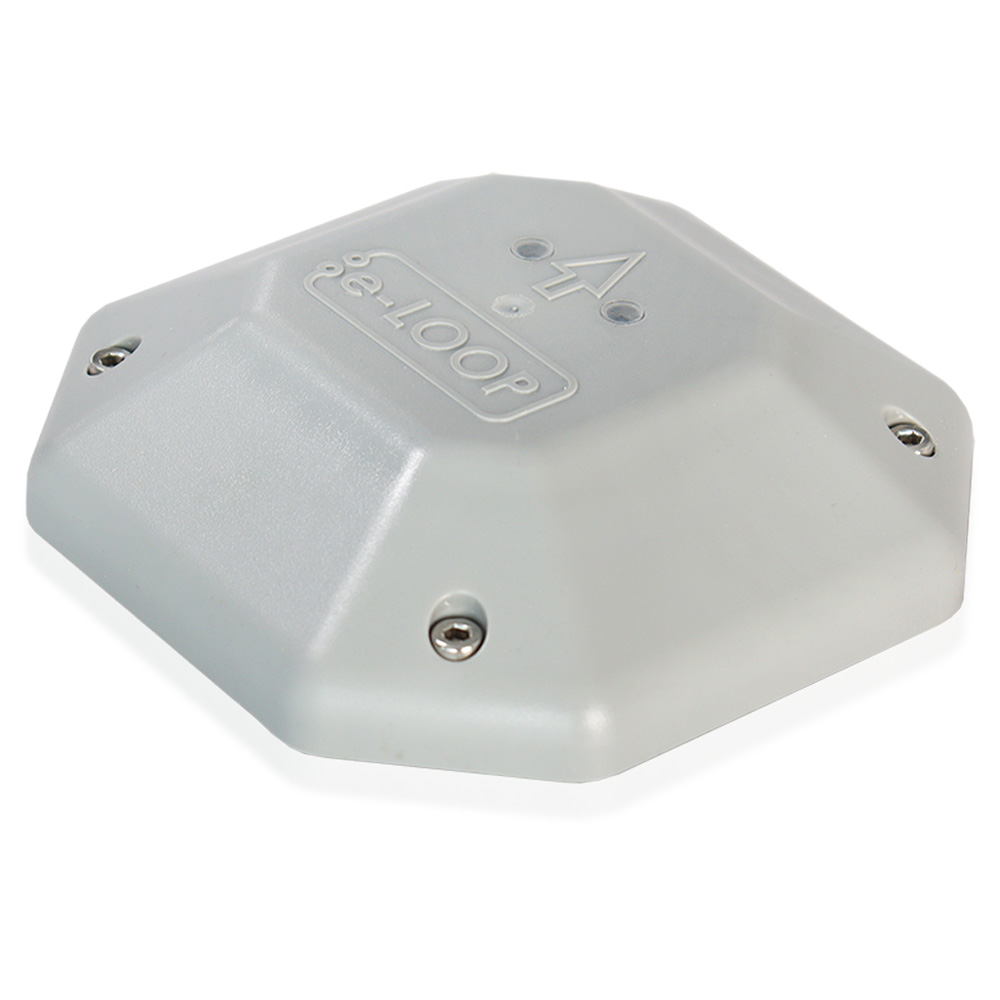
The E-Loop Mini With Radar
- Created For Residential Use
- Load Capacity Up To 5512 Lb
- With 128-Bit Encryption
- 3-4 Year Battery Life
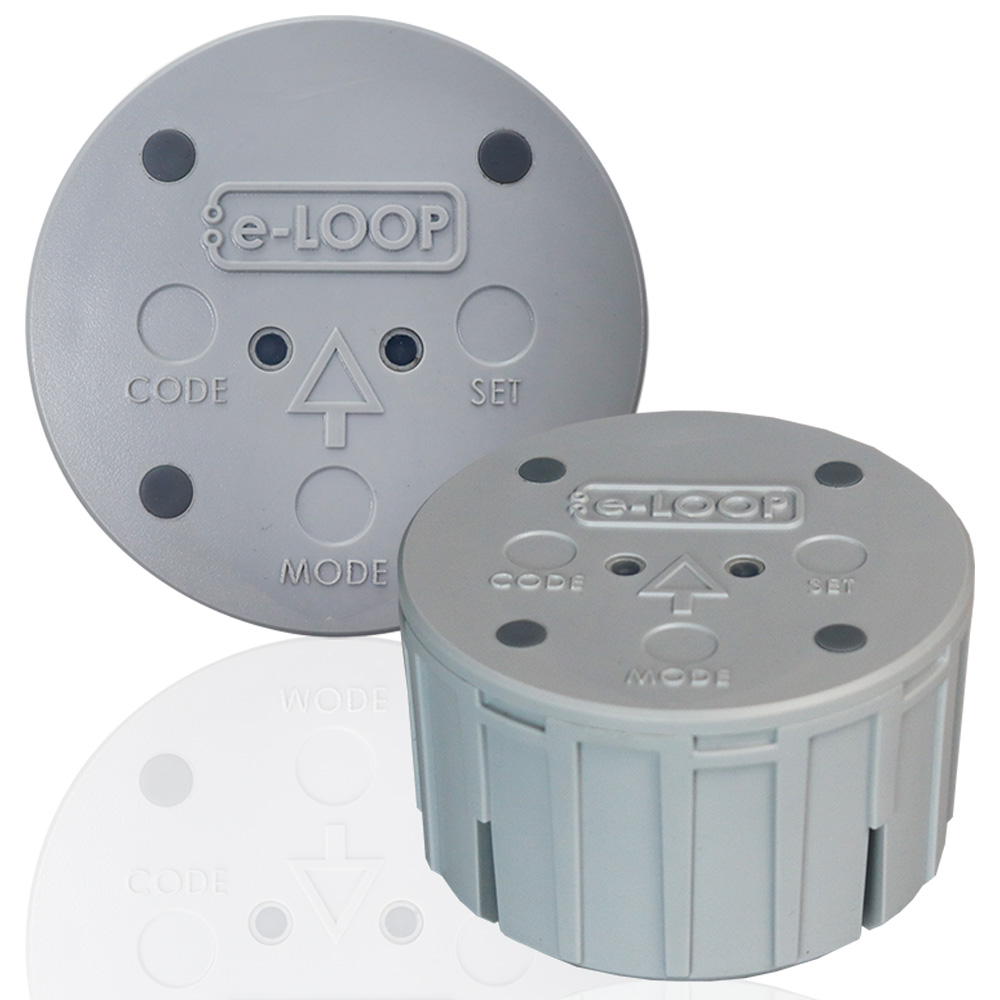
The Inground Commercial E-Loop
- Sleek Inground Design
- 50-Yard Range
- With 128-Bit Encryption
- 3-4 Year Battery Life
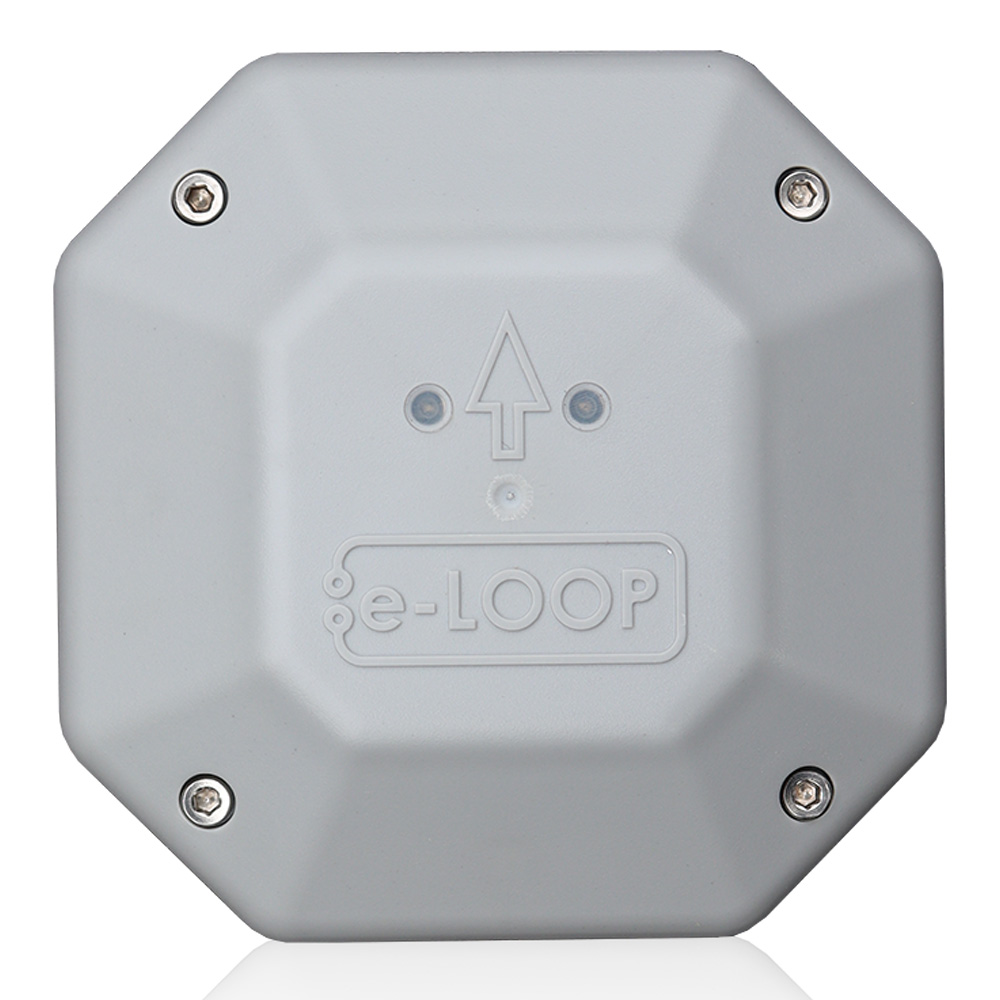
Standard Domestic E-Loop Mini
- Standard 1.5V AA Lithium Battery
- 50-Yard Range
- With 128-Bit Encryption
- 3-4 Year Battery Life
What Is the Difference Between Loops With Radar And Magnetometer Technology?
Usually, e-loops with radar technology use magnetometer sensors and radar technology to detect vehicles. First, the e-loop uses magnetometer sensors to detect when a vehicle is on top of the e-loop. After this, the e-loop will switch to radar mode. This allows the e-loop to detect when vehicles are above it, and radar systems include two-way radio communication protocols for more effective operation. When the magnetic field drops below the threshold, the radar can take over and check whether a vehicle is present. This system offers more accurate detection than magnetometer sensors alone. However, this technology is usually used only for commercial gates, and magnetometer sensors are enough for residential gates.
Wired Loop Systems
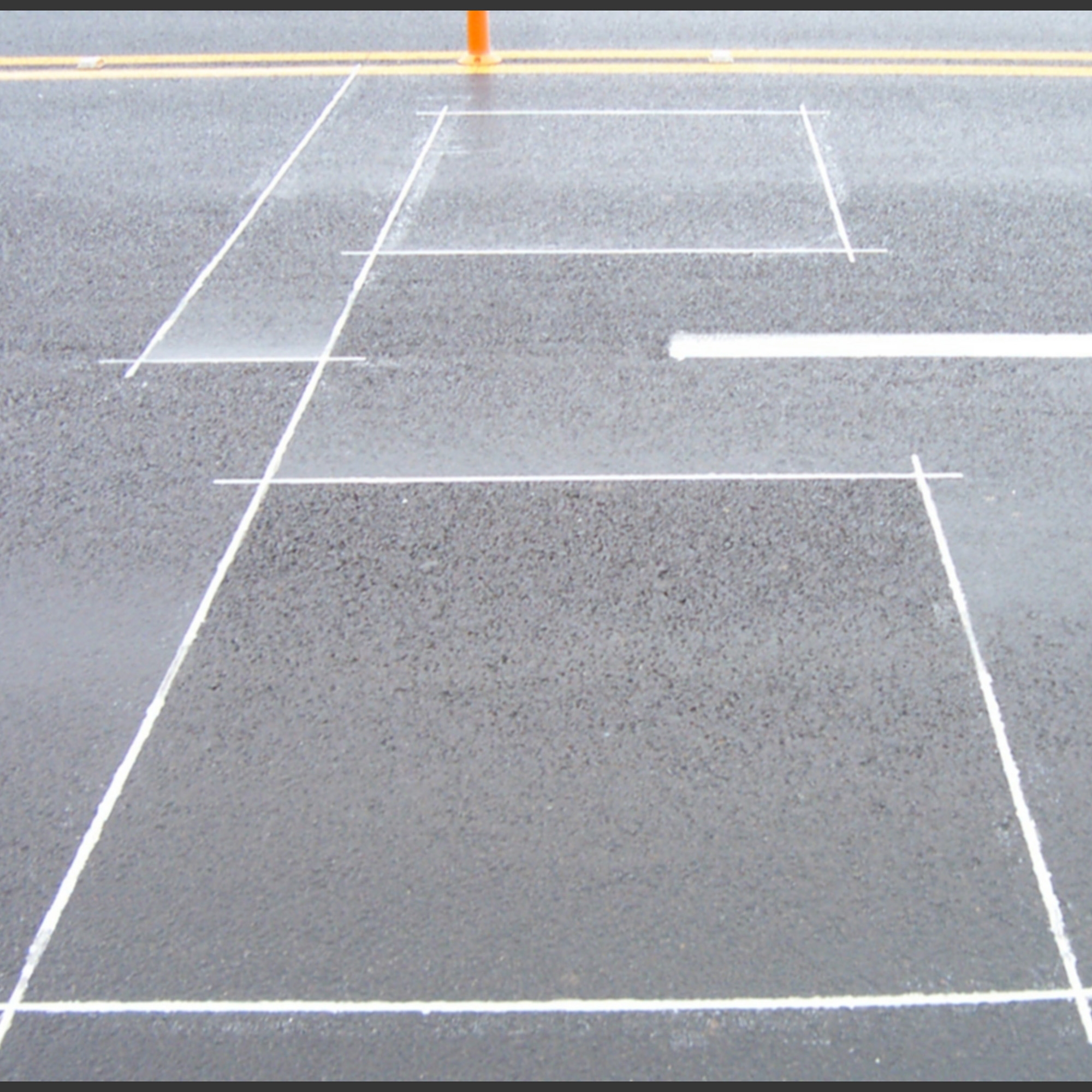
But sometimes, while e-loops are more convenient, wired loops are necessary in high-security areas such as airports and military facilities. These wired loops come in direct burial and saw-cut options. Saw-cut loops can be installed even if a driveway is finished with concrete. The saw-cut loop is installed by cutting a rectangle into a driveway or another hard pavement-type area. Then, this loop is placed in a rectangular shape and sealed into the concrete. This is the most accessible wired loop system to install. The other option is a pave-over loop. The pave-over or direct burial loop is installed entirely under the concrete or asphalt of a select road or driveway. Usually, the most effective way to install a direct burial loop is to attach it to the rebar grid in your concrete. When installing a direct burial loop, don't bury it too deep, as it may not detect vehicles.
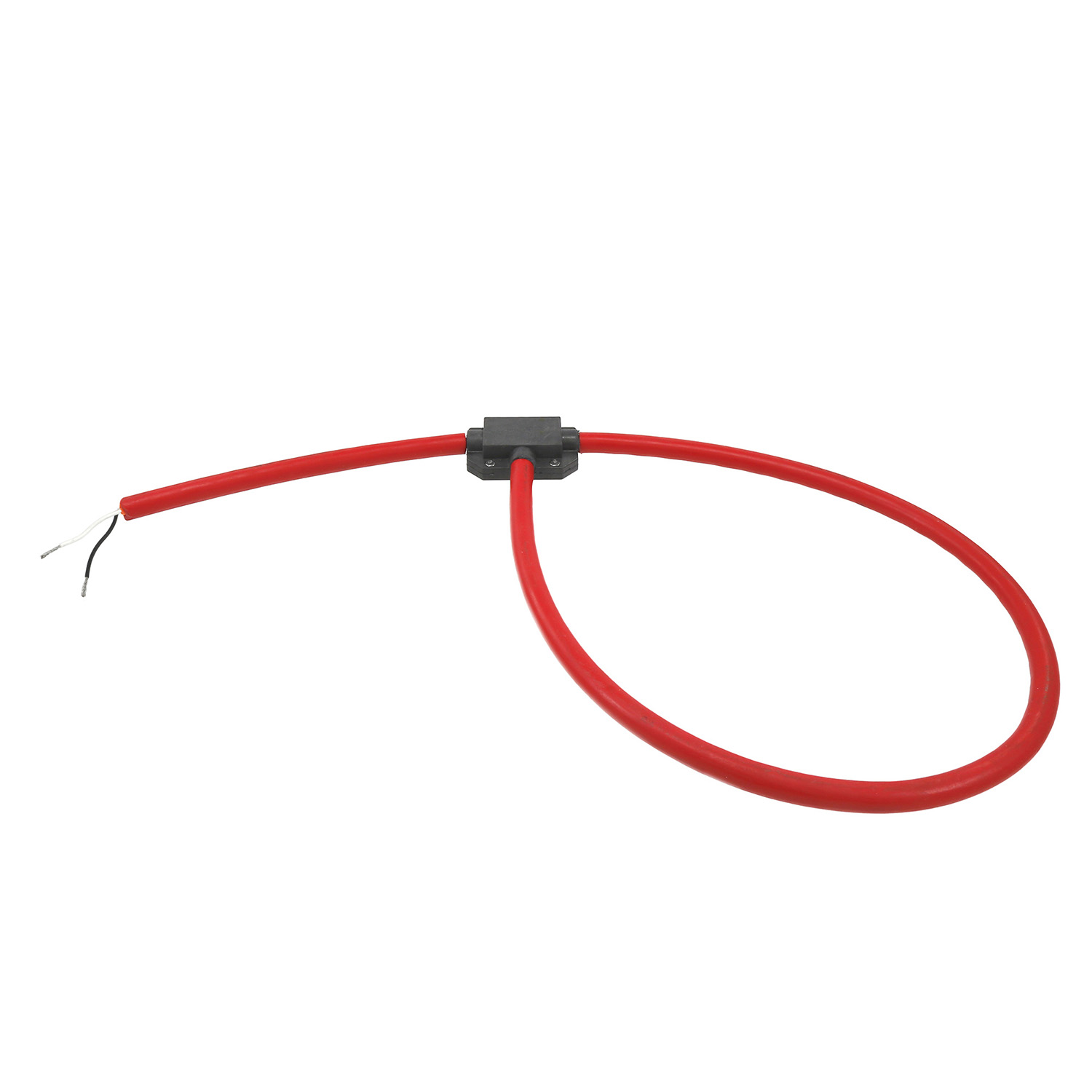
Direct Burial Loops
- Water Block Gel Stops Moisture Penetration
- Easy-To-Install With Loop And Lead In Cables
- The Splice Connection Is Soldered, Sealed, And Tested
- Various Loop Lengths
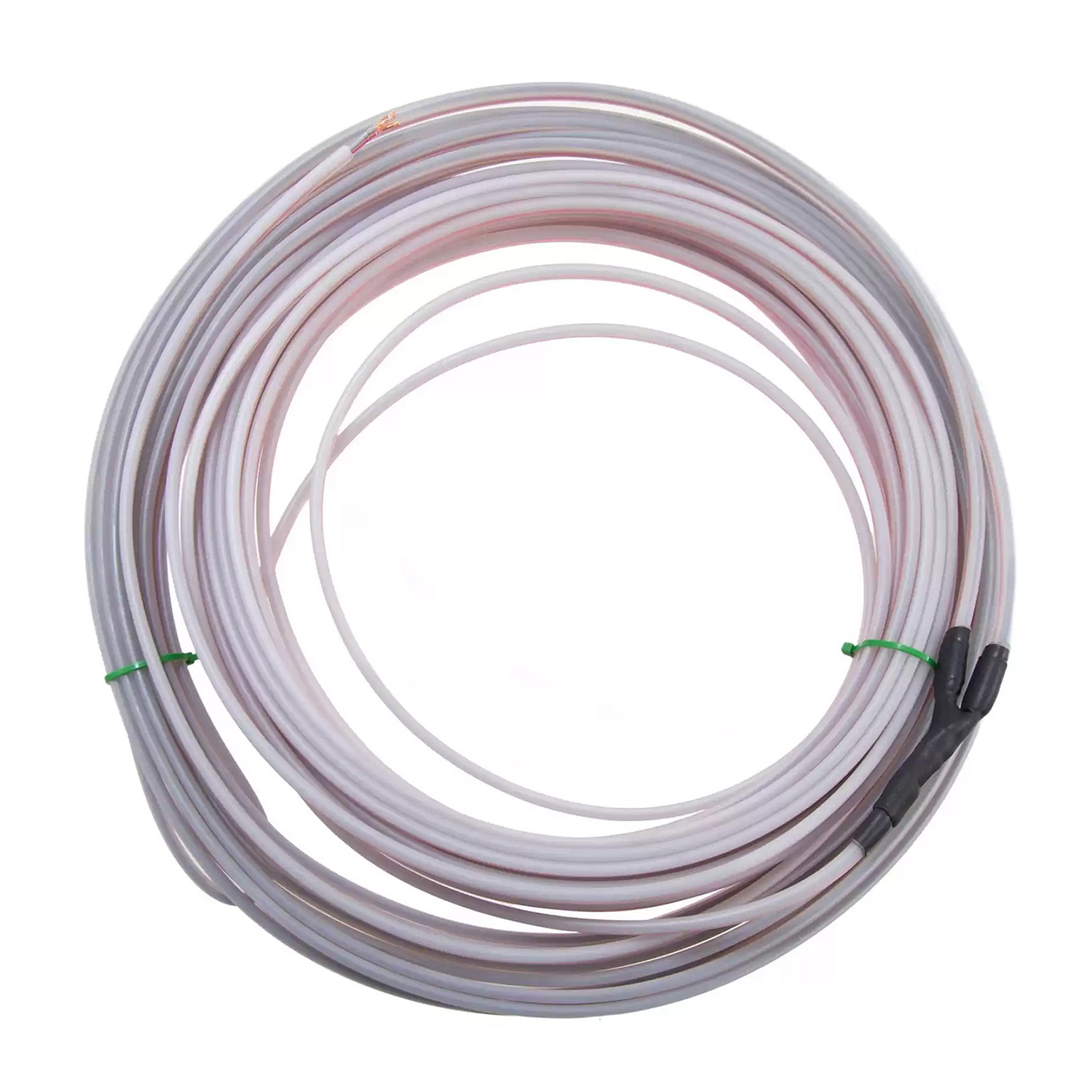
Saw-Cut Preformed Loop
- Created For An Exact Fit
- No Need For 45-Degree Corners
- The Splice Connection Is Soldered, Sealed, And Tested
- Loop And Lead Flexible, So It Is Easy-To-Install