

5 Types of UL 325 Compliance For Photo Eyes
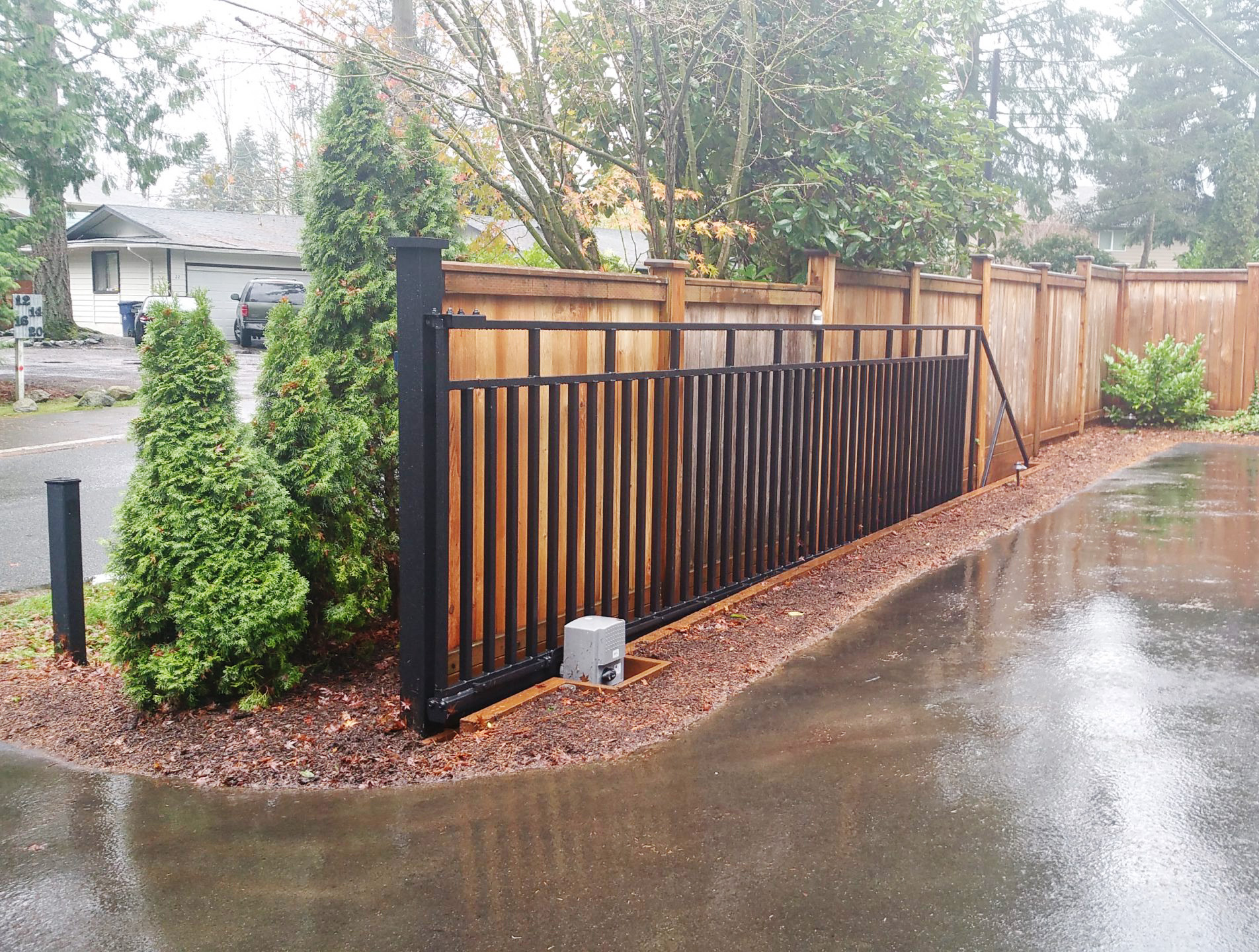
Various regulations apply to UL325 safety standards when using safety devices for an automatic gate. If you are unsure what UL stands for, it refers to Underwriters Laboratories, Inc., created in 1894. UL's mission is to "evaluate products in the interest of public safety." While the UL is the leading safety regulator, other third-party organizations evaluate safety with swing and slide gate operators.
< p> UL 325 defines five safety device categories, and various gate types require different ones. Many gates require two specific entrapment devices.Categories For Safety Devices For Swing And Slide Gates:
Type A-This Category Is Used For Inherent Entrapment Protection Systems
There are two main requirements for using an inherent entrapment protection device. First, the gate must reverse within 2 seconds and have a renewed input such as a loop sensor, card reader, or another comparable device. Next, the gate should halt once it senses another sequential obstruction. This also requires a renewed input using an actuation device not in the gate's line of sight. This could be a portable wireless control. Ensure that your gate operator has an inherent entrapment device and complies with all the rules listed in the UL325 manual.
Type B1-A Non-Contact Sensor (Photoelectric Sensor Or The Equivalent)
This category refers to non-contact sensors, including photoelectric sensors or the equivalent device that comply with 32.1.1 in the ANSI/CAN/UL 325 manual. These sensors should be in each entrapment zone and operate only after they are correctly installed.
Type B2-Contact Sensor (Edge Device Or The Equivalent)
When installing B2 devices, these devices must be checked every time they are used to ensure no faulty conditions or obstructions are blocking the way. If the devices malfunction, manual operation of the gate is required.
Type C- Inherent Force Limiting (Adjustable Clutch, Pressure Relief Devices)
Inherent force limiting, inherent adjustable clutch, and inherent pressure relief devices cannot cause force after 100,000 cycles of operation when under a rated load that exceeds 10 percent of manufacturer settings to stop the gate. If a device is adjustable, set the initial setting to maximum force. Any device that uses inherent pressure relief or adjustable clutches should be easy to inspect and simple to repair so it is not constantly rendered inoperative.
Type D-Actuating Devices Using Continuous Pressure
This refers to continuous pressure actuation devices. One key point is that you cannot use a portable wireless control with these devices. Another key point is that these gate operators need constant pressure to start and complete gate movements when opening and closing. When pressure stops, the gate needs to stop moving. Unless your gate has open and close buttons, the device automatically reverses the gate when you press the control button.
Gate Operator Entrapment Categories for Horizontal, Vertical Lift, and Vertical Pivot Gates:
When using an entrapment device for these gates, they must comply with A, B1, B2, or D categories. If they do not, they will not be UL325 compliant.
Entrapment Device Protection Categories for Swing and Vehicular Barrier (Arms)
When using these specific gates, you must follow categories A, B1, B2, C, or D. Although swing and slide gates operate differently, several safety devices will cover both slide and swing gate operators.
Safety Entrapment Devices That Are UL-Compliant
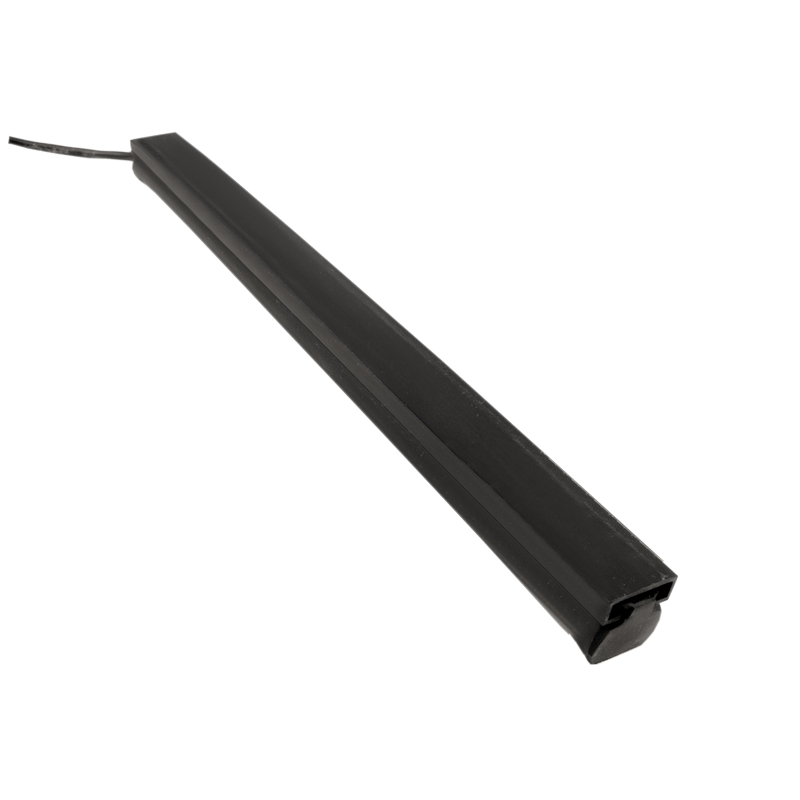
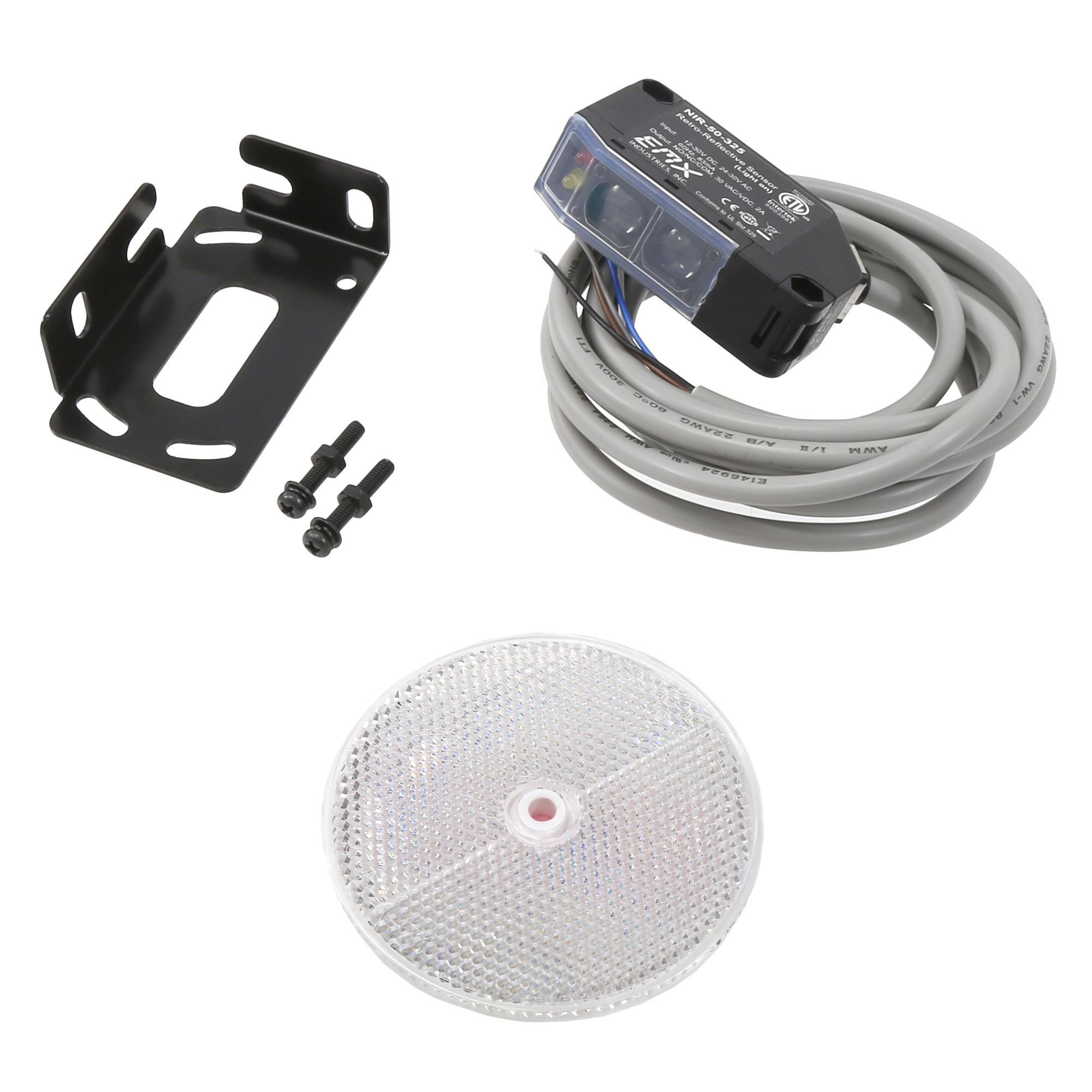
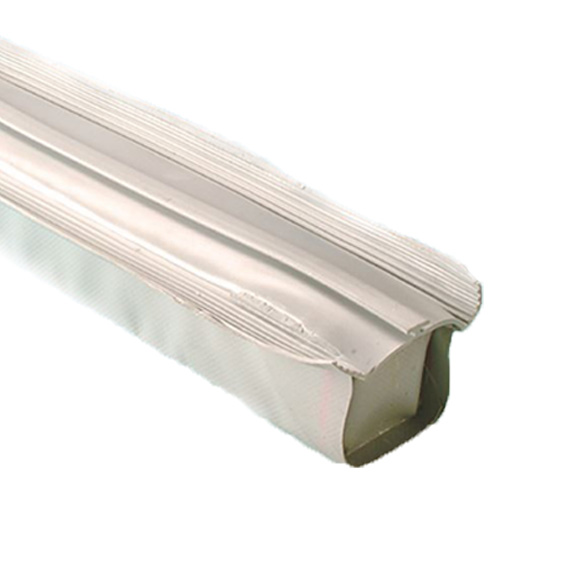
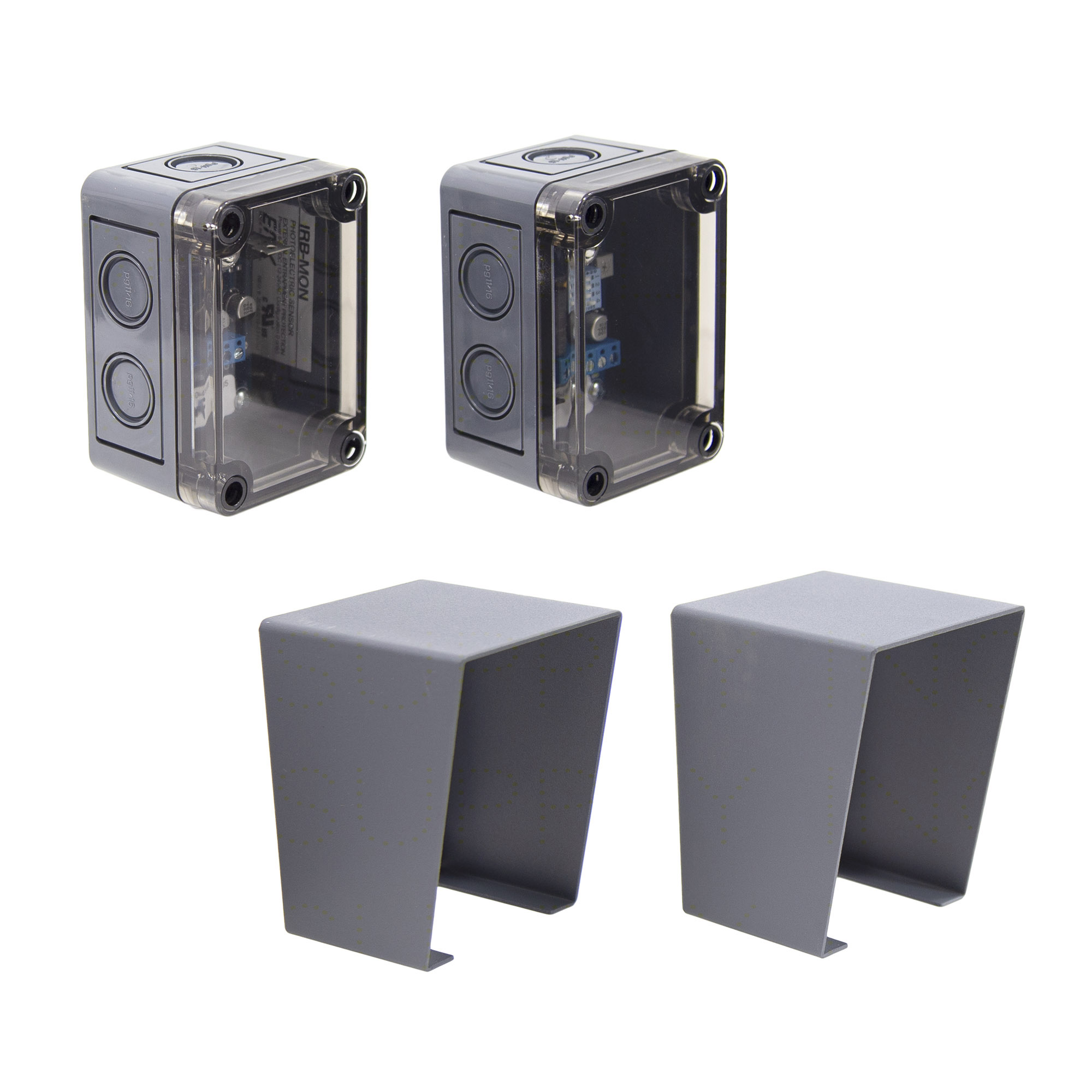
Some of the most popular UL325-compliant devices are retroreflective photo eyes and contact sensors such as safety edges. Remember that when using a safety device, you will need retroreflective devices and entrapment protection for every entrapment zone unless the single device can cover both opening and closing directions (such as an inherent reversing system) by following the requirements set by the manual. For both swing and slide gates, you will require two devices. You cannot use the same type of device for both. Entrapment zones are usually the gate's opening and closing points.
View All UL325-Compliant Safety Devices
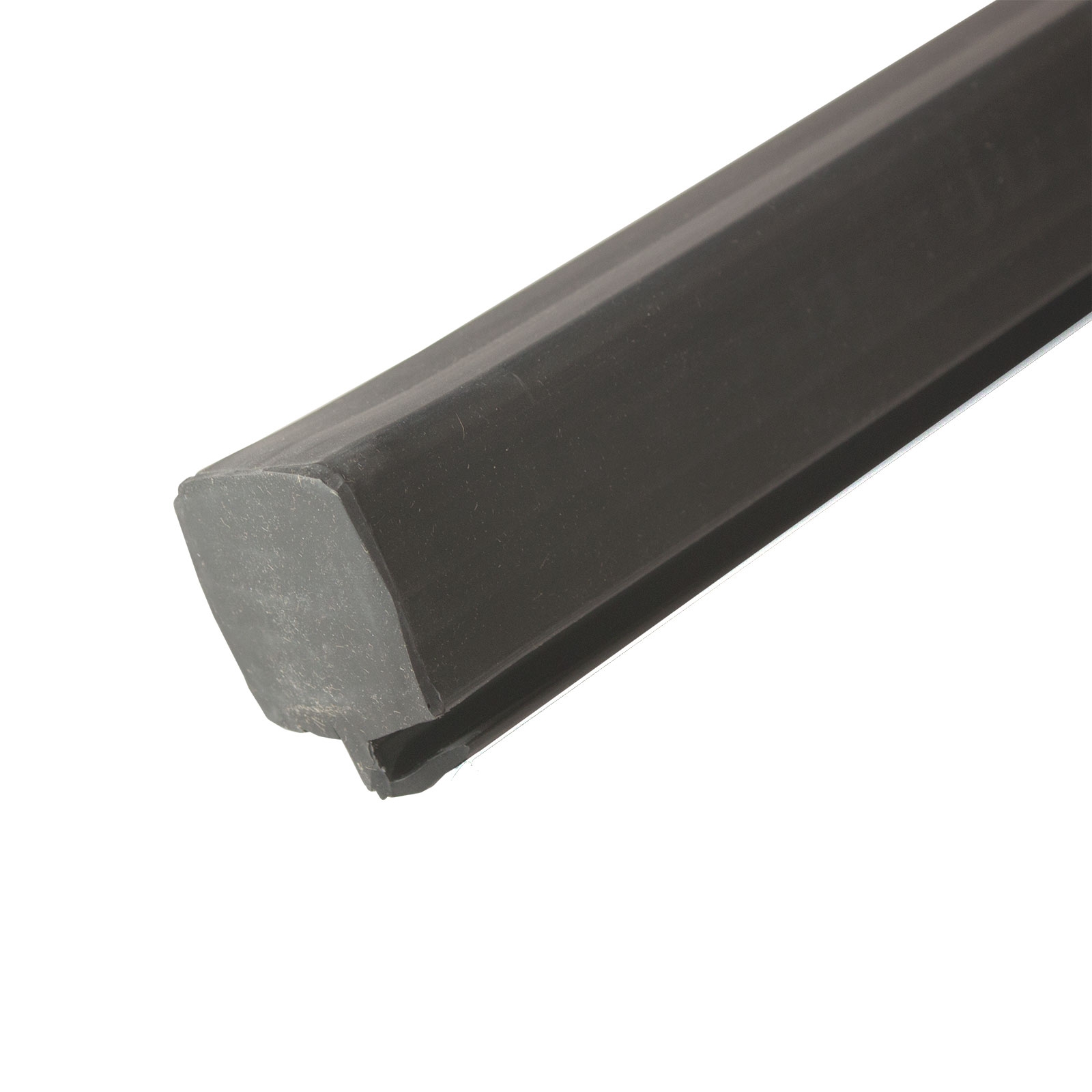
Miller Edge MC22 Monitored Standard Extra-Sensitive Electric Edge
Have more questions about UL safety standards for photo eyes? Read this helpful article:
UL Monitored Photo EyeGate Opener Safety Video Guide - Top Gate Opener Safety Accessories You Need To Know
This video serves as an excellent supplemental resource for anyone looking to understand the fundamentals of automatic gate safety. It provides a clear, practical overview of common safety devices such as photo eyes, edge sensors, and loop detectors, highlighting how each supports UL 325 compliance. Whether you're a property owner, installer, or safety professional, this visual guide reinforces key concepts and offers real-world context to complement the information in our safety articles.
Speak with one of our helpful sales associates today to get started on your order.
If you have questions or want to learn more, we're always happy to help. At Gate Opener Safety, we're dedicated to providing clear, reliable information to help you better understand gate safety and compliance. Visit our contact page to get in touch with our team- we're here to support you every step of the way.
Contact Us